


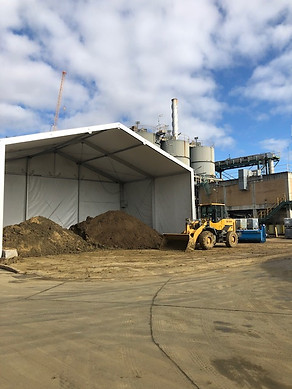
Hazardous Materials Storage refers to modular structures designed for the safe storage, handling, containment, and processing of hazardous and non-hazardous materials across industrial and environmental operations.
At Australian Temporary Structures, we deliver modular building solutions for:
-
Waste & Recycling
-
Resource Recovery
-
Environmental Works
-
Water Treatment
-
Industrial Processing
-
Recycling Facilities
Our structures are commonly used for:
-
Covered waste bays
-
Sorting lines
-
Machinery shelters
-
Material processing areas
-
Covered stockpile storage
-
Temporary laboratories
-
Water treatment enclosures
These modular buildings provide fast, scalable and weather-protected operational environments for waste management companies, recycling plants, and environmental contractors.
Why Are Modular Structures Used for Waste & Recycling Operations?
Traditional construction can take significant time and often disrupt operational sites. Modular structures provide a faster and more adaptable alternative for industrial and environmental projects.
Key advantages include:
-
Rapid installation
-
Large clear-span internal areas
-
Minimal operational disruption
-
Relocatable and expandable designs
-
Weather protection for materials and equipment
-
Flexible layouts for changing operational requirements
These structures allow facilities to continue operating while additional covered space is installed.
What Is Hazardous Materials Storage?
Hazardous Materials handling
Weather protection for materials and equipment
What Is a Covered Waste Bay?
A covered waste bay is a modular enclosed or semi-enclosed structure used to protect waste materials, recycling products, and operational equipment from weather exposure.
Covered waste bays are commonly used for:
-
Waste transfer stations
-
Recycling facilities
-
Green waste operations
-
Bulk material handling
-
Waste sorting and separation
-
Machinery and equipment protection
ATS modular structures help create safer and more efficient operational environments while reducing the impact of rain, wind, and environmental contamination.
What Industries Use Modular Waste & Environmental Structures?
Waste & Recycling
Waste and recycling operators use modular structures to create weather-protected processing and storage environments.
Typical applications include:
-
Covered waste bays
-
Recycling sorting facilities
-
Waste processing zones
-
Bulk material handling areas
-
Machinery shelters
-
Stockpile cover structures
These buildings help improve operational efficiency while protecting materials and infrastructure.


Waste & Environmental Structures
Resource Recovery Facilities
Resource recovery facilities often require large-span covered areas for processing and handling recyclable materials.
ATS structures are ideal for:
-
Material recovery facilities (MRFs)
-
Conveyor and sorting systems
-
Covered stockpile storage
-
Recycling processing buildings
-
Loading and unloading areas
-
Temporary operational expansions
Clear-span internal designs maximise usable operational space without intrusive columns.
Environmental Works Projects
Environmental contractors regularly require temporary or semi-permanent structures during remediation and infrastructure projects.
Applications include:
-
Temporary laboratories
-
Water treatment enclosures
-
Soil remediation processing
-
Environmental monitoring stations
-
Equipment shelters
-
Hazardous material containment areas
These structures are designed for rapid deployment and can perform in demanding environmental conditions.
What ATS Systems Are Best for Waste & Environmental Applications?
Perth System
-
The Perth Structure System is commonly used where insulated or climate-controlled environments are required.
-
The system provides excellent insulation, rapid deployment capability, and flexibility for temporary or semi-permanent environmental infrastructure.
Cargo System
-
Cargo Structure System is one of the most widely used modular building systems for industrial and environmental projects.
-
The system is highly adaptable and designed for demanding operational environments.
Cargo Structure
Engineered Shelter Systems for Risk Containment
Whether you're working on a brownfield redevelopment, industrial cleanup, or asbestos demolition, the ATS team partners with clients to deliver rapid-deployment protective enclosures tailored to site-specific needs. Our Cargo Structure system is ideal for containing contaminants and supporting sensitive operations, thanks to its:
-
Heavy-duty steel and aluminium frame
-
Clear span widths up to 30m and heights up to 6.3m
-
Wind-rated, securely anchored systems
-
Insulated sandwich panel walling and thermal roof options
-
Custom roller doors, sealed entry points, and integrated HVAC systems
We work with project managers, engineers, and environmental consultants to deliver customised containment solutions fast.
Contaminated Soil Treatment Enclosures
Soil treatment often involves exposure to volatile compounds, dust, and hazardous particles. ATS provides covered, sealed remediation structures to support:
-
-
On-site thermal or chemical treatment
-
Material sorting and classification
-
Contaminant vapor control
-
Operator safety zones
Our high-spec Cargo structures feature sealed floor systems, optional negative pressure ventilation setups, and robust anchoring systems for secure operation under all conditions.
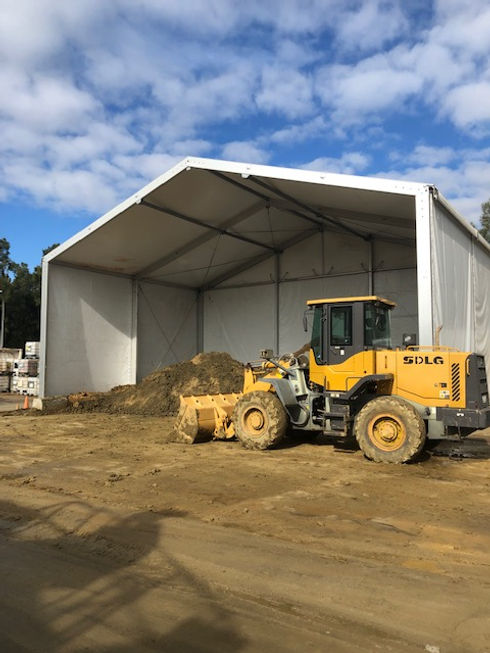
Projects: Environment Protection


Yes. ATS modular structures can be supplied as:
-
Temporary facilities
-
Long-term operational structures
Because the systems are modular, buildings can also be relocated, extended, or reconfigured as project requirements evolve.
What Are the Main Benefits of Modular Waste & Recycling Structures?
Faster Installation: Modular systems are typically installed significantly faster than conventional buildings.
Large Clear-Span Space: Large open internal areas improve vehicle movement, machinery access, and operational workflow.
Operational Flexibility: Buildings can be expanded, relocated, or adapted as operational requirements change.
Weather Protection: Structures help protect waste materials, recyclable products, machinery, and stockpiles from environmental exposure.
Reduced Site Disruption: Fast deployment helps businesses continue operating with minimal interruption.
Can These Structures Be Temporary or Permanent?
Why Choose Australian Temporary Structures?
Australian Temporary Structures has over 20 years of experience delivering modular industrial and environmental infrastructure across Australia.
We provide high-quality modular structures engineered for demanding operational environments, helping businesses create safer, more efficient and scalable waste, recycling, and environmental processing facilities.
FAQs
Common Questions
Can ATS structures provide weather protection for waste and recycling operations?
Yes. ATS structures are designed to protect waste materials, stockpiles, machinery, and processing equipment from weather exposure.
Are modular structures suitable for recycling facilities?
Yes. ATS structures are widely used for recycling sorting lines, covered waste bays, material recovery facilities, and recycling processing operations.
Can structures include insulation and ventilation?
Yes. Structures can incorporate insulated walling systems, internal ventilation, roller door access, and climate-control features depending on operational requirements.
How quickly can modular waste structures be installed?
Installation timeframes vary depending on project size and site conditions, however modular systems are typically delivered much faster than traditional construction methods.
Are ATS structures relocatable?
Yes. Many ATS modular buildings are fully relocatable and can be dismantled, transported, and reinstalled at another site if required.


