


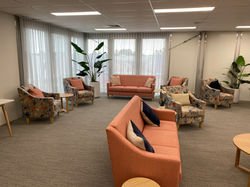


Modular Healthcare Buildings & Medical Facilities
Need to expand capacity for surgical & clinical services, deliver GP & primary care, or respond to disaster & crisis health situations? Modular healthcare buildings provide a compliant, scalable solution for facility expansion across hospitals, community health, and specialist care, delivered fast without compromising patient outcomes.
What Are Modular Healthcare Buildings Used For?
Modular healthcare structures support a wide range of medical and community-based services, enabling providers to respond quickly to changing demand.
They are commonly used for:
-
Emergency departments and triage zones
-
Surgical & clinical spaces, including treatment and operating rooms
-
General ward expansion and patient overflow areas
-
Residential aged care and memory support units
-
GP & primary care clinics and specialist and allied health services
-
Community mental health and broader community health facilities
-
Physiotherapy and rehab centres
-
Drug & alcohol services and treatment programs
-
Medical research and pharmaceutical environments
-
Veterinary clinics, including equine and large animal care
-
Biosecurity and environmental health facilities
-
These facilities are designed to support both short-term surge demand and long-term healthcare infrastructure expansion.
Fast, Flexible Infrastructure for Clinical, Community & Emergency Care
Modular Healthcare Buildings for GP & Primary Care
How Do Modular Facilities Support Rapid Healthcare Expansion?
Healthcare demand can shift rapidly, from seasonal pressures to emergency response. Modular buildings enable providers to scale services quickly and efficiently.
Key benefits include:
-
Rapid installation with minimal disruption to existing services
-
Flexible layouts for facility expansion or decanting during refurbishments
-
Scalable designs that support GP & primary care, specialist and allied health, and community mental health services
-
Relocatable infrastructure for regional and mobile healthcare delivery, including temporary health outposts
These capabilities make modular buildings ideal for disaster & crisis health, pandemic response, temporary healthcare facilities, and temporary health outposts.
Can These Buildings Be Customised for Clinical Use?
Yes, every facility is custom-designed to meet strict healthcare requirements and operational workflows.
Typical inclusions:
-
Consultation rooms for GP & primary care and specialist & allied health
-
Dedicated surgical & clinical environments
-
Spaces for physiotherapy and rehab and recovery
-
Treatment areas for drug & alcohol services
-
Patient wards, waiting areas, and staff amenities
-
Advanced features include:
-
Climate-controlled environments for sensitive clinical use
-
Soundproofed walls for privacy in community mental health settings
-
Custom lighting for medical procedures
-
IT infrastructure for digital health systems
-
Load-bearing floors for heavy equipment
-
Integrated water and service piping
Are Modular Healthcare Buildings Compliant and Safe?
All ATS healthcare facilities are engineered to meet Australian health and building standards, ensuring safety, durability, and compliance across all applications.
They include:
-
High-strength structural systems for long-term use
-
Advanced security systems to protect equipment and patient data
-
Materials suitable for hygiene and infection control
-
Controlled environments for clinical, research, and treatment spaces


Modular Healthcare Buildings & Medical Facilities
Where Are These Facilities Most Effective?
Modular healthcare buildings are widely used across:
-
Hospitals and medical centres
-
GP & primary care clinics and specialist & allied health practices
-
Community mental health and rehabilitation centres
-
Drug & alcohol services facilities
-
Emergency response and disaster & crisis health environments, including temporary health outposts
-
Research laboratories and pharmaceutical facilities
They are especially valuable in regional and remote communities, where rapid deployment is essential.
What Systems Are Best for Healthcare Applications?
Choosing the right modular system is critical to ensuring healthcare environments are functional, compliant, and comfortable for both patients and staff. At Australian Temporary Structures, two of the most effective systems for healthcare applications are the Perth Structure and Skyline Structure, each suited to different clinical and community needs.
Perth Structure.
Practical, Rapid Healthcare Deployment
The Perth Structure is ideal for fast, flexible healthcare delivery where speed and adaptability are essential.
Best suited for:
-
Emergency departments and triage areas
-
GP & primary care clinics
-
Disaster & crisis health response facilities
-
Physiotherapy & rehab centres
-
Community mental health and outreach services
With its quick installation and versatile design, the Perth system allows healthcare providers to expand services rapidly. It can be configured to include consultation rooms, treatment areas, and patient waiting zones, all within a controlled, compliant environment.
Skyline Structure.
Premium Clinical & Patient-Focused Environments
The Skyline Structure is designed for high-quality, long-term healthcare applications where patient experience and presentation are key.
Best suited for:
-
Surgical & clinical facilities
-
Specialist & allied health centres
-
Medical research and pharmaceutical environments
-
Private clinics and community health hubs
Featuring modern architectural finishes, natural light through glass façades, and high-end internal fit-outs, the Skyline system creates a welcoming and professional healthcare setting. It is particularly effective for facilities that require both functionality and a strong patient-facing environment.
Why Choose Modular Healthcare Infrastructure?
-
Speed to delivery. Operational in weeks
-
Cost-effective solutions. Reduced capital investment
-
Flexible and scalable. Supports evolving healthcare needs
-
Minimal disruption. Maintain services during upgrades
-
High-quality environments. Designed for patient care and clinical performance
Projects Healthcare Modular Buildings


Supporting Better Health Outcomes
Modular healthcare buildings are transforming how services are delivered, enabling providers to expand access to GP & primary care, community mental health, and specialist & allied health services faster than ever before.
These facilities support collaboration between clinicians, researchers, and support teams, improving efficiency and patient outcomes across both physical and mental health services.
Talk to our Team
Whether you're expanding surgical & clinical capacity, delivering physiotherapy and rehab services, or planning a facility for drug & alcohol services, Australian Temporary Structures can provide a tailored solution.
Contact us today to discuss your healthcare infrastructure requirements.
FAQs
Common Questions
How quickly can modular healthcare buildings be installed?
Most facilities can be delivered within weeks, making them ideal for disaster & crisis health, emergency departments, and urgent expansions in surgical & clinical services.
Are modular healthcare buildings compliant with Australian standards?
Yes. All buildings are designed to meet strict Australian health, safety, and compliance standards, ensuring suitability for clinical, research, and patient care environments.
What healthcare services can be delivered in modular facilities?
Modular buildings support a wide range of services, including:
-
Emergency departments and triage
-
Surgical & clinical treatment spaces
-
GP & primary care clinics
-
Specialist and allied health services
-
Community mental health facilities
-
Physiotherapy and rehab centres
-
Drug & alcohol services programs
Can these buildings support mental health and rehabilitation services?
Yes. Modular facilities are well-suited for community mental health, counselling spaces, and physiotherapy and rehab environments, with features like soundproofing and controlled lighting to enhance patient comfort.
Are modular healthcare buildings suitable for emergency situations?
Absolutely. They are widely used in disaster & crisis health, pandemic response, and temporary treatment centres due to their rapid deployment and flexibility.
Can facilities be customised for specialised care?
Yes. Buildings can be tailored for surgical & clinical use, specialist & allied health, or targeted services such as drug & alcohol services, ensuring each space meets operational and compliance requirements.
Are these buildings suitable for long-term healthcare use?
Yes. Modular healthcare buildings are durable and suitable for both temporary and long-term applications, including hospitals, clinics, and aged care facilities.
Can modular healthcare buildings be expanded or relocated?
Yes. They can be easily expanded, reconfigured, or relocated, making them ideal for growing healthcare networks and evolving service delivery needs.
Do these facilities work in regional or remote areas?
Yes. Modular buildings are particularly effective in regional locations, enabling rapid delivery of GP & primary care, community mental health, and essential health services.
